

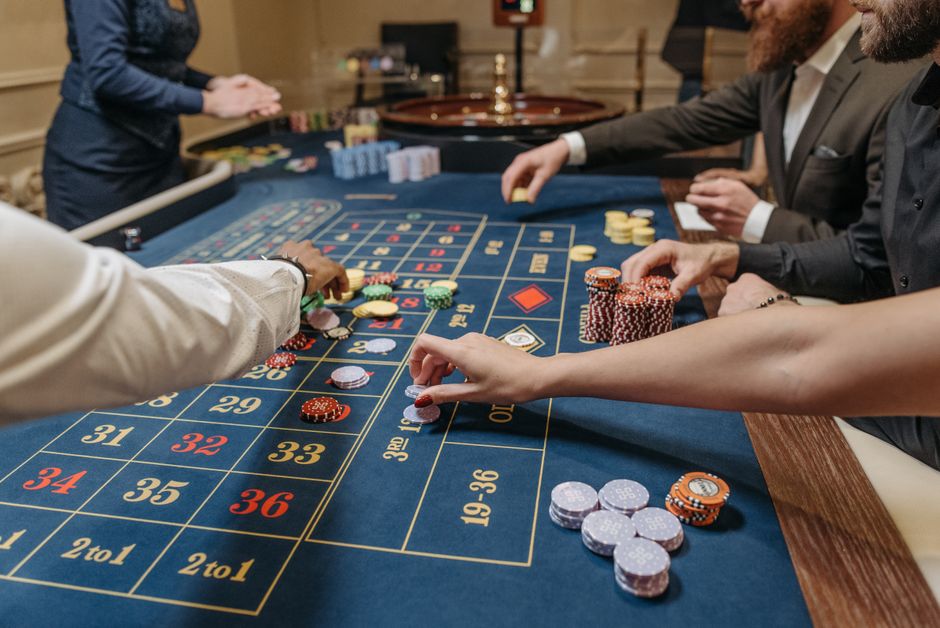
Slots, Poker, and the Math That Keeps You Honest
Every gambler remembers their first big win. Mine was a five-dollar spin on a progressive slot in a smoke-filled casino on the outskirts of Reno. The reels stopped, a bell rang, and suddenly I was six hundred dollars richer. What I did not realize then was that the machine had just taught me the most dangerous lesson in iGaming: that luck feels like skill when it is wearing the right costume. Twenty years later, I still play. But I play differently, and the difference is math.
Whether you are spinning the reels, grinding micro-stakes poker, or chasing a parlay on a Sunday afternoon, the games are not random. They are engineered. And the players who last are the ones who understand what is being engineered, and why.
Slots: The House Edge Is Not a Bug, It Is the Product
Slot machines are the most misunderstood product in the entire casino floor, and that is by design. Walk past a row of them and you will see flashing lights, uplifting jingles, and screens that advertise "97% RTP!" as if that number meant you would get ninety-seven cents back for every dollar. In the long run — and I mean the very long run — that is roughly true. But RTP is calculated over millions of spins, and no human plays millions of spins. You play a few hundred, maybe a few thousand, and your personal result will bear almost no resemblance to the advertised percentage.
What matters far more is volatility. Two slots can both have a 96% RTP and feel completely different. A low-volatility slot like Starburst pays out in small, frequent doses. A high-volatility monster like Money Train 3 can eat two hundred spins before coughing up anything, then hand you a thousand times your stake in a single bonus round. Neither is better. The mistake is playing a high-volatility slot with a bankroll built for a low-volatility one, or vice versa. You can read more about it on XOCDIA88.
If you want to give yourself a fighting chance on slots, do these things:
- Set a session bankroll and divide it by at least 100. If your per-spin bet is more than 1% of your bankroll, you are gambling on variance, not having fun.
- Check the RTP before you play. Most reputable slots list it in the game info menu. Anything below 94% is a bad deal in 2024.
- Use bonuses with low wagering requirements. A 100% match bonus with a 40x rollover can be worse than no bonus at all for a casual player.
- Stop when you double your deposit, not when you feel like stopping. The second option does not exist.
Poker: The Only Game Where You Are Not Playing the House
Here is a truth that separates casual poker players from serious ones: in poker, you are not playing against the casino. You are playing against other people, and the casino takes a small cut called the rake. That single fact changes everything. It means poker is the one iGaming discipline where the long-term winner is not the house but the most skilled player at the table.
That does not mean poker is easy. It means poker is winnable, which is not the same thing. The rake is still brutal at micro-stakes — a 5% rake capped at $3 is a huge tax when the average pot is $8. To beat it, you need a real edge, and the edge comes from three places.
Position, Range, and Discipline
Position is not a vague concept in poker; it is a measurable advantage. Playing from the button means you act last on every street, which means you have more information than everyone else. A hand like 9-7 suited is a fold from under the gun and a raise from the button. That asymmetry is where money is made.
Range thinking is the second pillar. Beginners play their cards. Winners play their opponents' ranges. If a tight player raises from early position in a tournament, you can narrow their holdings to maybe 10% of all hands. Fold the 9-7 suited you were proud of. Against a loose-aggressive player on the button, that same hand becomes a three-bet bluff.
And discipline is the unglamorous third. Poker is a game of folding. The best players fold more than 70% of their hands preflop. If you cannot fold a decent hand because it feels wasteful, you will not beat the rake. Ever.
Sports Betting: Lines Are Not Predictions, They Are Prices
A common mistake among new bettors is treating a betting line as a forecast. It is not. A line is a price, and the sportsbook is setting that price to balance action and guarantee itself a profit through the vig — usually 4% to 5% per side on a standard -110 spread. Your job is not to predict the winner. Your job is to find prices that are wrong.
That is why bankroll management and line shopping are not optional. The same game might be priced at -3.5 at one book and -4.5 at another. Grabbing the -3.5 is not a small edge over hundreds of bets. It is the entire edge. Professionals shop lines across five or six books before placing anything. You should do the same, even if it takes ninety seconds.
A simple framework for recreational bettors:
- Bet a flat 1% to 2% of your bankroll per play. No exceptions, not even for your favorite team.
- Track every bet, win or lose. A simple spreadsheet will tell you more about your real edge than any tipster ever will.
- Avoid parlays as a strategy. They are fun, but they compound the house edge. Ten-leg parlays are entertainment, not investment.
The Uncomfortable Truth About Bonuses and Promotions
Casinos and sportsbooks are not charitable institutions. When they offer you a $500 match bonus or fifty free spins, they are buying your attention and hoping the wagering requirement does the heavy lifting. Some bonuses are genuinely profitable if you read the terms; most are not. Look for the rollover multiplier, the game weighting percentages, the maximum cashout clause, and the expiry window. A bonus that expires in seven days with a 35x requirement on slots only is a trap for casual players. More background can be found at XOCDIA 88.
Why Bankroll Discipline Beats Every Strategy
You can have a perfect read on a poker table, a hot slot, and a sharp line on the NBA finals, and it will still amount to nothing if you cannot manage a bankroll. The single greatest cause of failure in iGaming is not a lack of knowledge. It is a lack of restraint. Every decent player I know — and I know a few who quit their day jobs — treats their gambling bankroll as a business expense, not a rainy-day fund.
This means having a number. A real number. A number you can lose entirely without changing your life. When that number reaches zero, you stop. Not because you are being noble, but because the math stops working for you the moment you are playing scared. Fear makes you fold too much in poker, chase losses on slots, and bet on favorites you do not believe in. The bankroll is the infrastructure of everything else.
Final Thoughts
I still enjoy a Reno slot machine every now and then, but I no longer walk in thinking the machine owes me something. The reel does not know I exist. The dealer does not have a heart. The sportsbook is not my friend. That sounds grim, but it is actually liberating. Once you stop expecting luck to behave like justice, you start noticing the parts of iGaming that are truly skill-based — the line shopping, the range analysis, the bankroll management — and the games become, somehow, both smaller and richer at the same time.


Marketing Strategy
-
Choose goals you can measure, such as footfall, enquiries, or repeat purchases. Break large targets into monthly steps that suit your team.


Social Media




-

Long established fact that a reader will be distracted
-

Long established fact that a reader will be distracted
-

Long established fact that a reader will be distracted




Content Marketing
Karla Gleichauf
12 May 2017 at 05:28 pm
On the other hand, we denounce with righteous indignation and dislike men who are so beguiled and demoralized by the charms of pleasure of the moment
M Shyamalan
12 May 2017 at 05:28 pm
On the other hand, we denounce with righteous indignation and dislike men who are so beguiled and demoralized by the charms of pleasure of the moment
Liz Montano
12 May 2017 at 05:28 pm
On the other hand, we denounce with righteous indignation and dislike men who are so beguiled and demoralized by the charms of pleasure of the moment