

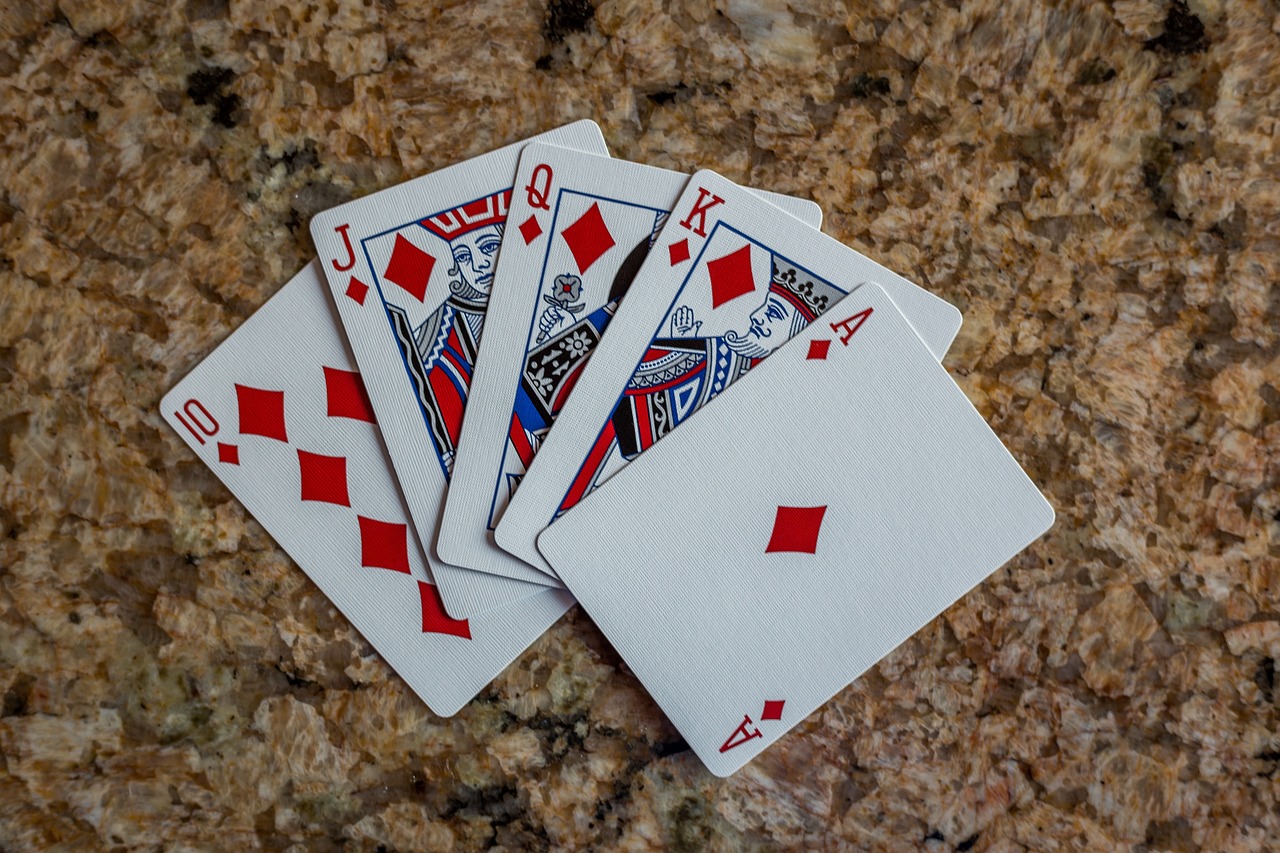
The Psychology of the Spin: Why Slots and Poker Hook Us
There's a specific sound that lives rent-free in the heads of anyone who has ever spent serious time at a slot machine. It's not the jackpot siren or the clatter of coins. It's the low, rhythmic click-clack of the reels stopping just short of a win—the near-miss. That sound, and the way our brains react to it, tells you almost everything about why iGaming is a multi-billion dollar industry and why poker players will sit for twelve hours straight chasing a read on an opponent.
Strip away the neon lights and the marketing budgets, and modern gambling is a masterclass in applied psychology. Whether you are spinning a virtual reel, sweating a river card, or trying to beat the closing line on a Premier League match, you are playing against a system that understands your impulses better than you do. Let's pull back the curtain on the mechanics, the math, and the mental traps that make this ecosystem so compelling—and so dangerous for the unprepared.
The Near-Miss: The Most Powerful Illusion in Slots
Slot designers don't rely on randomness alone. They rely on how you interpret randomness. Psychologists call it the "near-miss effect," and it is arguably the single most potent tool in the slot designer's toolkit.
When two jackpot symbols land on the payline and the third stops just above or below, a novice sees a loss. A seasoned player—and your brain's reward center—sees a near win. Research from the University of Waterloo found that near-misses activate the same brain regions as actual wins, particularly the ventral striatum. This triggers dopamine release and creates a subconscious urge to keep playing, even though mathematically, the outcome is identical to landing three blank symbols.
The kicker? Near-misses are not random accidents. On many modern video slots, the reel mapping is weighted so that jackpot symbols appear disproportionately often just adjacent to the payline. It looks organic. It feels like you're "due." It is neither. It is also worth checking B52CLUB before deciding.
Practical takeaway: if you find yourself saying "I was so close" three or four times in a session, recognize that the machine is doing exactly what its RNG and reel strips were configured to do. Proximity is not progress.
Poker: Where the Psychology Is Human, Not Algorithmic
Poker flips the script. There is no RNG conspiring against you—just another human being trying to separate you from your chips. The mind games here are interpersonal, and the edge comes from reading patterns rather than chasing luck.
Consider the concept of tilt. It's the poker term for emotional hijacking, and it has cost players more money than any bad beat in history. Tilt happens when a loss (or a series of losses) overrides your rational decision-making. You start playing too many hands, calling raises you know are beaten, and chasing draws at terrible pot odds. The math hasn't changed. Your judgment has.
Experienced players develop triggers and systems to manage this:
- The three-buy-in rule: If you lose three full buy-ins in a session, you stand up. No negotiation. No "one more orbit."
- The pause pattern: After any pot over 100 big blinds, take a 60-second break. Big swings—win or loss—shift your emotional baseline.
- Table selection over ego: A winning player at a soft table beats a losing player at a tough table. Swallow your pride and game-select.
The most profitable skill in poker isn't bluffing. It's recognizing when you are no longer the sharpest decision-maker at your own table—and walking away.
Bonus Culture: The Fine Print That Eats Your Edge
Online casinos have turned bonuses into a science. A "100% up to $500" welcome offer sounds like free money. It is not. It is a contract with terms designed to protect the house while creating the illusion of generosity.
Here's what to check before you accept any bonus: For up-to-date information, visit B52 CLUB.
- Wagering requirements: A 40x rollover on a $100 bonus means you must wager $4,000 before withdrawing a cent. On slots, that's achievable. On blackjack or roulette, where the house edge is lower, the contribution rate might be only 10%, meaning you'd need $40,000 in bets.
- Game weighting: Slots often contribute 100%. Table games typically contribute 5–20%. This is deliberate—slots have a higher house edge, so the casino wants your bonus money cycling through them.
- Maximum bet clauses: Many bonuses cap your bet size at $5 while the bonus is active. Exceed it once and the entire bonus and any winnings can be voided.
- Expiry windows: Seven days to clear a $4,000 wagering requirement is aggressive. Thirty days is reasonable. Read the clock.
The rule of thumb among sharp players: a bonus is only worth taking if the expected value remains positive after adjusting for the increased variance and the time cost. Often, it isn't.
Sports Betting and the Illusion of Expertise
Sports betting is where ego meets probability. Unlike slots, where the odds are opaque, sportsbooks offer visible lines. This creates a dangerous sense of control. You watch the games. You know the stats. You can beat the spread.
Can you? Rarely. The closing line at major sportsbooks is one of the most efficient predictive markets in existence. Beating it consistently over hundreds of bets requires an edge most casual bettors never find.
What usually happens instead is confirmation bias. You remember the four-team parlay you nailed for $1,200. You forget the eleven you lost for $50 each. The memory of the win feels like proof of skill. The losses get rationalized as bad luck.
A more honest approach is to track every bet—stake, odds, and result—in a simple spreadsheet. After 100 bets, if your ROI is negative, you are not a sharp. You are a fan having fun, and you should budget accordingly.
Where the Industry Is Heading: Faster Games, Tighter Loops
The psychological pressure is getting stronger, not weaker. Crash games, instant-win scratch cards, and live dealer streams with 30-second hands compress the reward cycle. The less time between action and outcome, the faster dopamine fires—and the quicker bankrolls evaporate.
Provably fair crypto casinos have added a new layer of transparency, letting players verify that a spin or hand wasn't tampered with. That's a genuine improvement for trust. But transparency about fairness doesn't change the underlying math. A 3% house edge is still a 3% house edge, no matter how verifiable it is.
Smart players treat all of it as entertainment with a cost, not a strategy for income. Set a loss limit before the session. Use deposit limits. Treat bonuses as optional, not obligatory. And never chase a near-miss—because the machine isn't almost paying you. It is already keeping you.
The house doesn't win because it's lucky. It wins because it designed the entire experience—from the reel strip to the bonus terms to the app's notification sounds—around the predictable quirks of the human brain. Know the quirks, and you can at least play on your own terms.


Marketing Strategy
-
Choose goals you can measure, such as footfall, enquiries, or repeat purchases. Break large targets into monthly steps that suit your team.


Social Media




-

Long established fact that a reader will be distracted
-

Long established fact that a reader will be distracted
-

Long established fact that a reader will be distracted




Content Marketing
Karla Gleichauf
12 May 2017 at 05:28 pm
On the other hand, we denounce with righteous indignation and dislike men who are so beguiled and demoralized by the charms of pleasure of the moment
M Shyamalan
12 May 2017 at 05:28 pm
On the other hand, we denounce with righteous indignation and dislike men who are so beguiled and demoralized by the charms of pleasure of the moment
Liz Montano
12 May 2017 at 05:28 pm
On the other hand, we denounce with righteous indignation and dislike men who are so beguiled and demoralized by the charms of pleasure of the moment