

The Real Difference Between Luck and Skill in iGaming
Every gambler remembers their first big win. Maybe it was a 50-cent spin on a roaring dragon slot that suddenly paid 800x. Maybe it was a river card that completed your gutshot straight and emptied three opponents' stacks. In that moment, it feels like magic. But ask any seasoned player ten years later and they'll tell you something uncomfortable: the rush of a slots jackpot and the satisfaction of a well-played poker hand are not the same feeling, and treating them as equals is how bankrolls disappear.
The iGaming world loves to blur that line. Casinos market slots with terms like "strategy" and "hot streaks." Betting apps push algorithms that feel almost psychic. But underneath the gloss, the math is cold and indifferent. Understanding which games reward skill and which ones only simulate it is the single most useful thing you can learn as a player.
The Numbers Don't Care About Your Gut Feeling
Let's start with slots, because they are the loudest and most misunderstood part of the industry. A modern video slot runs on a random number generator that determines the outcome of every spin before your finger even touches the button. There is no memory of your last spin, no pity timer, no hidden meter filling up toward a jackpot. Online slots typically carry a return-to-player (RTP) between 94% and 97%, which means that over millions of spins, the house keeps 3% to 6% of everything wagered. That figure is law, not a suggestion.
What this means practically is that chasing losses on slots is mathematically identical to flushing money down a drain with extra steps. The variance is what keeps it interesting: a high-volatility slot like Money Train 3 might pay nothing for 300 spins and then hand you a 5,000x multiplier. That feast-or-famine rhythm is designed to trigger dopamine, not to reward patience. If you enjoy slots, enjoy them honestly as entertainment with a known cost, like a cinema ticket. The moment you convince yourself you have a "system," the house has already won. You can read more about it on SIN88.
Where Skill Actually Moves the Meter
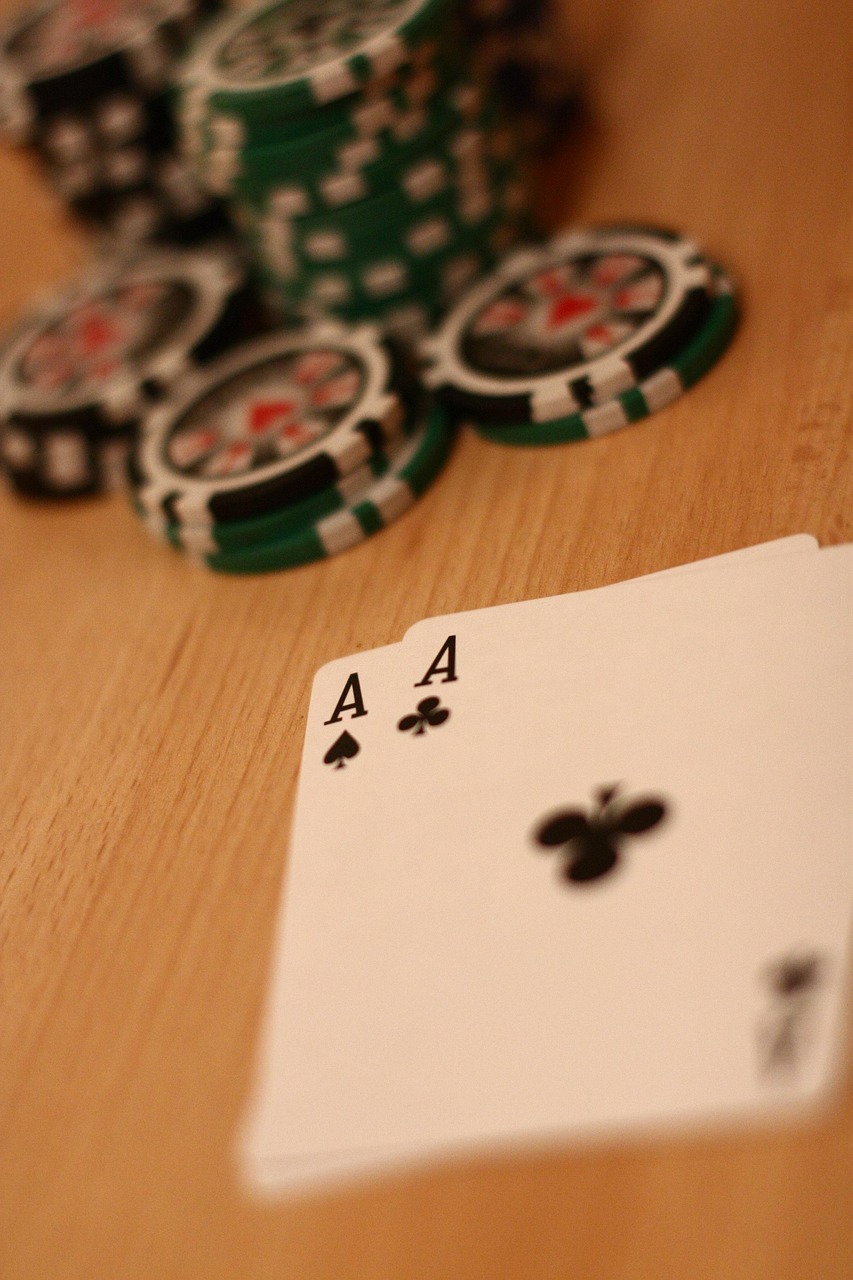
Poker sits on the opposite end of the spectrum. It is one of the rare forms of gambling where a skilled player can achieve a positive expected value over the long run. The house doesn't take a cut of your bet the way a slot machine does; it takes a rake from the pot, typically 5% capped at a few dollars in cash games, or around 10% in tournament buy-ins. Everything else is decided by the decisions of the people at the table.
- Position determines how much information you have before acting. Button play is worth more than the math suggests.
- Bankroll management keeps variance from destroying an otherwise winning player. Twenty buy-ins is a rough starting cushion for cash games.
- Range analysis replaces guessing with probabilities. Knowing your opponent's likely hand range beats reading their soul.
A winning poker player doesn't beat the casino. They beat the other players, and the casino simply taxes the action. That distinction matters, because no amount of skill will turn a profit on a slot machine. SIN 88 is a solid starting point for anyone new to this.
Sports Betting: Skill, Information, and a Slice of Chaos
Sports betting lives somewhere between these poles. A sharp bettor who understands closing line value, injury reports, weather, and market movement can absolutely turn a profit over a season. Books set opening lines and then let the market adjust them; if you consistently bet before the line moves in your favor, you are demonstrating skill, not luck. The classic data point is that fewer than 5% of sports bettors are long-term profitable, but that small group is real and identifiable.
Where betting becomes pure gambling is in parlays, same-game multis, and prop bets engineered for entertainment rather than value. The margin the book holds on a ten-leg parlay can exceed 20%, compared to roughly 4-5% on a standard point spread. If you want to test your sports knowledge, bet singles on markets you actually follow. If you want a lottery ticket with a football theme, bet the parlay. Just don't confuse the two.
Reading the Fine Print of Casino Games
Table games split again. Blackjack with perfect basic strategy reduces the house edge to about 0.5%, and card counting can flip it slightly positive, which is exactly why casinos shuffle frequently and ban suspected counters. Baccarat is almost entirely luck once the cards are dealt; the banker bet carries a 1.06% edge, and no decision you make changes that. Roulette is pure chance, with European wheels offering a 2.7% edge versus 5.26% on American wheels. Choosing the right table is the only decision that matters.
So when you sit down in an online casino, ask yourself a simple question: is there a decision in this game that changes the expected outcome? If yes, like blackjack or poker, study it and take it seriously. If no, like slots, roulette, or baccarat, set a budget before you log in and treat every spin as the cost of the experience.
Three Habits That Separate Smart Players From Donors
- Track your results. Not your feelings, your results. A simple spreadsheet of deposits, withdrawals, and hours played will tell you more than any forum thread.
- Play where the rules favor you. That means slots with 96%+ RTP, blackjack with 3:2 payouts on blackjack (never 6:5), and poker rooms with low rake.
- Walk away on schedule. Winning sessions and losing sessions both need an exit plan. The players who lose the most are the ones who never decided when to stop.
The Bottom Line
iGaming companies want you to believe everything is a skill game, because skilled players feel invested and invested players play longer. The truth is more nuanced and more useful: slots, roulette, and baccarat are entertainment with a fixed price, while poker, sports betting, and blackjack offer a genuine edge to those willing to do the work. Knowing which is which won't make you invincible, but it will stop you from blaming bad luck for a mathematically predictable outcome. The house always has an edge somewhere, and the smartest move you can make is knowing exactly where it lives.


Marketing Strategy
-
Choose goals you can measure, such as footfall, enquiries, or repeat purchases. Break large targets into monthly steps that suit your team.


Social Media




-

Long established fact that a reader will be distracted
-

Long established fact that a reader will be distracted
-

Long established fact that a reader will be distracted




Content Marketing
Karla Gleichauf
12 May 2017 at 05:28 pm
On the other hand, we denounce with righteous indignation and dislike men who are so beguiled and demoralized by the charms of pleasure of the moment
M Shyamalan
12 May 2017 at 05:28 pm
On the other hand, we denounce with righteous indignation and dislike men who are so beguiled and demoralized by the charms of pleasure of the moment
Liz Montano
12 May 2017 at 05:28 pm
On the other hand, we denounce with righteous indignation and dislike men who are so beguiled and demoralized by the charms of pleasure of the moment